


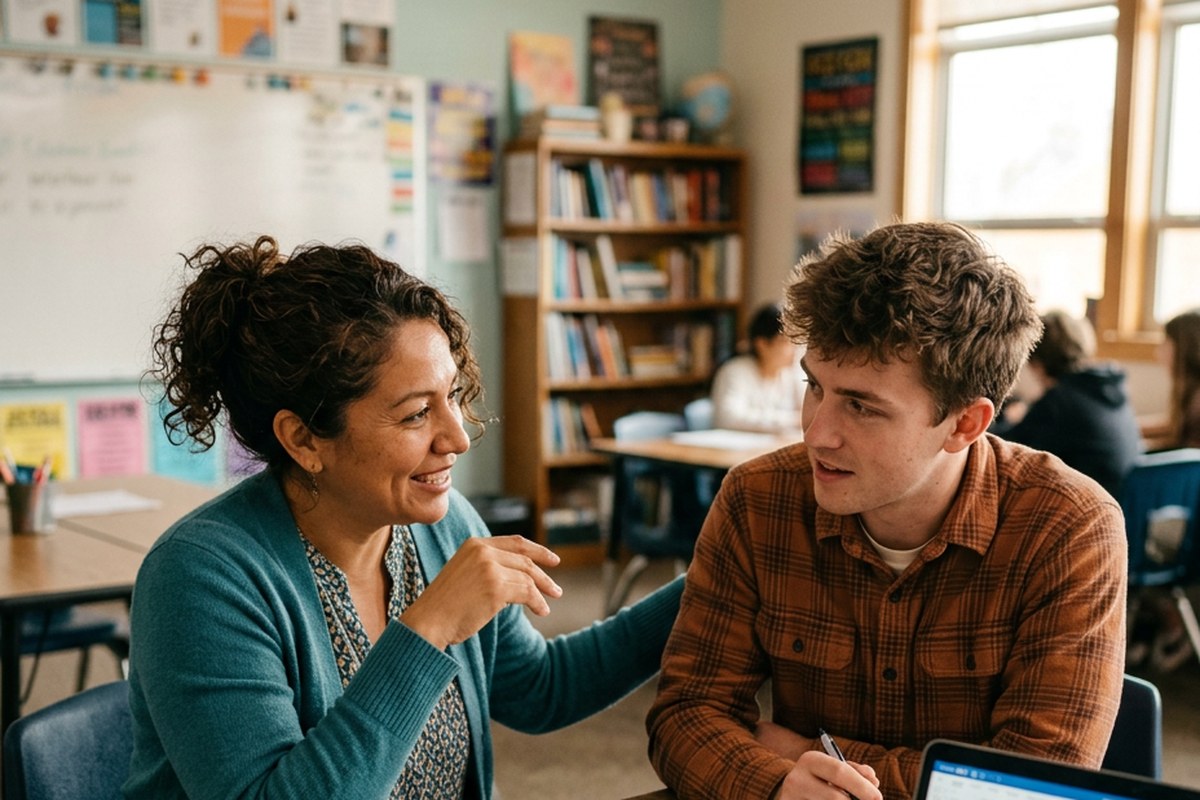
Every educator who works alone eventually asks the same question. The homeschool parent asks it over a math lesson that ended in tears: am I teaching my child right? The private school teacher asks it on the drive home, three years since anyone watched them teach: would anyone tell me if I were doing this wrong? Different classrooms. Same silence. It's the no-feedback problem, and it might be the most universal, and least discussed, condition of teaching outside a big system.
The silence isn't neutral
Here's what makes missing feedback so corrosive: silence doesn't feel like nothing. It gets filled, usually with doubt. A lesson goes badly, and with no one to calibrate against, a hard Tuesday quietly becomes evidence about you. Was it the lesson? The kid's sleep? The barometric pressure? You'll never know, so the doubt files itself under 'maybe I'm not good at this.'
The reverse is just as costly. When something goes beautifully, nobody helps you see why, so you cannot reliably do it again. Without feedback, even your wins are mysteries.
Professionals in nearly every demanding field (surgeons, pilots, athletes) treat feedback as infrastructure, not luxury. Teaching is at least as complex. Yet enormous numbers of educators do it in a feedback vacuum: homeschool parents by default, and many private school teachers by culture, where autonomy quietly means you are on your own.
Why 'just trust yourself' is half right
The standard advice is some version of trust your gut. And your gut does matter. You know your learners better than any outside observer ever could. But intuition develops through feedback. A chess player's instincts are good because thousands of games told them, move by move, what worked. Intuition without a feedback loop isn't expertise; it's habit with confidence.
So the goal isn't to silence the question 'am I doing this right?' The goal is to give it somewhere productive to go.
Reflection: the feedback loop you can build yourself
When no observer is available, the strongest replacement is structured reflection, not vague journaling, but specific questions asked consistently. The kind a good instructional coach would ask:
What was I trying to get the learner to do today, and what did they actually do? Not 'did it go well,' which invites mood, but the gap between intent and result, which invites information.
Where did the energy change? The moment a child leaned in, or checked out, is data. Most of us feel those moments and then lose them by dinner. Caught and written down, they become a map of how your learner learns.
What will I try differently tomorrow, specifically? One concrete adjustment, small enough to actually do. 'Be more patient' is a wish. 'Give her three minutes with the manipulatives before I explain anything' is an experiment.
Run that loop for a month and something shifts: the question 'am I teaching it right?' stops being an anxiety and starts being a research question. You stop grading yourself and start studying your classroom. That shift, from judge to observer, is the heart of what instructional coaching does for teachers, and it's learnable.
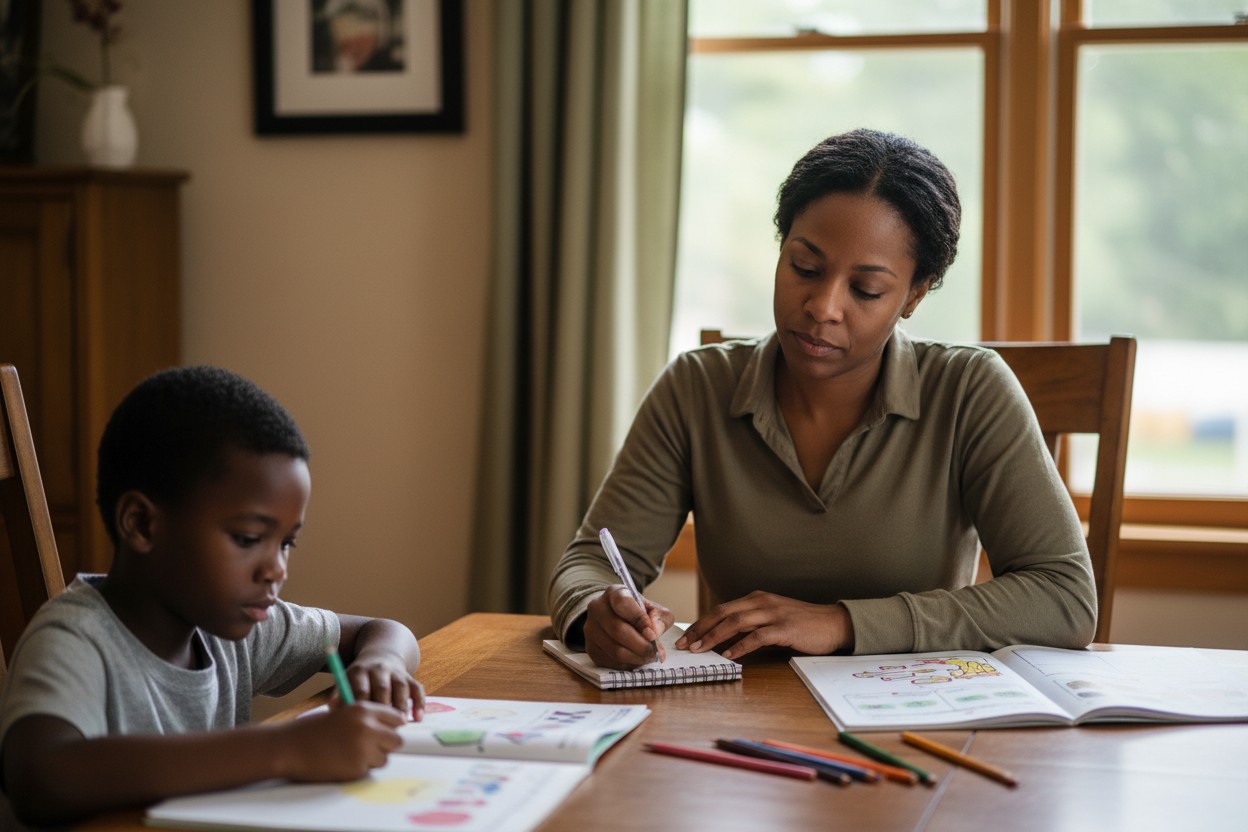
You shouldn't have to build the loop alone
Reflection works. It's also hard to sustain solo. The questions blur, the habit slips, and on the worst days (the days you most need it) the last thing you want is to interrogate yourself.
That is the gap eduimpact is built for: a second set of eyes that holds the reflection loop with you. It notices what you might miss, asks the questions a good coach would, and reflects your teaching back so you can see it clearly, beside you, never grading you. A real person reviews what it surfaces, so you are never talking to a black box, and nothing you share is a performance review. It helps you think, it does not think for you. Your call stays yours.
We are opening our beta to educators who teach without a feedback structure, homeschool parents and independent school teachers first. If the silence in this post sounded familiar, join the waitlist. The question "am I teaching it right?" deserves a better answer than silence.